New to the Mediterranean diet? This Mediterranean Diet for Beginners Guide is for you! Learn what to eat, the best Mediterranean foods, beginner tips, and easy Mediterranean recipes to get started.
Jump to:
- What am I supposed to eat on the Mediterranean diet?
- What Is the Mediterranean Diet?
- Mediterranean Diet Benefits
- Science Made Simple: Why the Mediterranean Diet Works
- How to Start the Mediterranean Diet
- Mediterranean Diet Plate Formula
- Mediterranean Diet Foods to Eat Often
- Mediterranean Diet Foods List + Serving Recommendations
- Top Tip
- Mediterranean Diet Foods to Limit
- Easy Mediterranean Diet Recipes for Beginners
- Mediterranean Diet Breakfast Recipes
- Mediterranean Diet Lunch Recipes
- Mediterranean Diet Dinner Recipes
- Mediterranean Diet Snacks
- Mediterranean Diet Desserts
- Sample Mediterranean Day
- Beginner Tips for Following the Mediterranean Diet
- FAQ
What am I supposed to eat on the Mediterranean diet?
If you're looking for Mediterranean diet beginner recipes, you're probably wondering one simple thing:
What am I supposed to eat on the Mediterranean diet?
The Mediterranean diet is consistently ranked as one of the healthiest ways to eat. It is also the most researched pattern of eating and the results are clear: the Mediterranean diet works.
Doctors recommend it for heart health, researchers study it for longevity, and nutrition experts praise its balance of flavor and nutrition.
But when you're starting out, translating those recommendations into real meals can feel overwhelming.
I've been there!
When my cardiologist first recommended the Mediterranean diet, I felt stuck. There was so much misinformation online that it was hard to understand what the evidence-based Mediterranean diet actually looked like, let along how to implement it in real life.
It took time to sort through the research and figure out how to turn Mediterranean principles into simple meals I could cook every day.
That's why I created Mediterranean for Life.
My goal is to save you time and help you transition to the Mediterranean diet in the real world. That means quick and easy recipes, realistic grocery staples, and food that is genuinely delicious.
In this guide you will learn what to eat on the Mediterranean diet, how to start get started, and which beginner Mediterranean recipes to cook first. You'll also find a Mediterranean diet foods list, simple meal ideas, and practical tips for building balanced Mediterranean meals.
This Mediterranean Diet beginner's guide covers:
- Foods that define the Mediterranean diet
- Grocery staples that make Mediterranean cooking easy
- Beginner Mediterranean diet recipes to try first
- A simple formula for building Mediterranean meals
- Quick swaps to help you make the transition to the Mediterranean diet sustainable
If you're wondering what breakfast looks like on the Mediterranean diet, I share plenty of ideas in my Mediterranean Diet Breakfast Guide.
The Mediterranean diet is not about strict rules or complicated meal plans. Instead it focuses on plant proteins, whole foods, healthy fats, and flavorful ingredients that support long term health.
You've got this!

What Do You Eat on the Mediterranean Diet?
The Mediterranean diet focuses on vegetables, fruits, whole grains, beans, nuts, olive oil, and fish. Meals are built around plant foods and healthy fats rather than processed foods or red meat. The goal is not restriction, but creating balanced meals based on whole foods.
What Is the Mediterranean Diet?
The Mediterranean diet is not a strict diet plan. In fact, if I could eliminate the word diet I would. It carries such a negative connotation. What we are really talking about is a pattern of eating or what you choose to eat most of the time.
The strength of the Mediterranean diet comes from the combination of foods working together to support overall health. Rather than relying on one "superfood," the Mediterranean diet works because of the synergy of foods working together.
🌿Antioxidants and Nutrients
Colorful plants deliver antioxidants, vitamins, minerals, and phytonutrients that protect your cells, boost immunity, and fuel long term health.
🫒Healthy Fats
Less unhealthy fat: Low in saturated fat, avoids harmful trans fats completely.
More healthy fat: Extra virgin olive oil, nuts, and fish provide healthy omega-3s that lower harmful cholesterol, support brain health, and reduce inflammation.
🌾Fiber and Whole Foods
Whole grains, legumes, fruits, and vegetables supply fiber that improves digestion, regulates blood sugar, and lowers cholesterol.
🍦Flexibility
Why is there nothing more satisfying than watching your child eat an ice cream cone?
I love taking my kids for the occasional ice cream treat and I'll never be the mom who refuses to eat ice cream with them. Thankfully I know that the occasional small cone isn't going to wreck my health.
The Mediterranean Diet is about what you do most of the time.
Bad day? Vacation? You haven't ruined it.
Just get back to your healthy habits at your next meal or the next day.
Mediterranean Diet Benefits
The Mediterranean Diet has more scientific evidence behind it than any other eating pattern.
In the landmark PREDIMED trial, people at high risk for heart disease who followed a Mediterranean Diet with olive oil or nuts had a 30% lower risk of heart attack, stroke, or cardiovascular death.
Proven Health Benefits
Following the Mediterranean Diet can provide health benefits including:
- Improve insulin resistance
- Reduce inflammation
- Support a healthy body weight
- Raise HDL ("good") cholesterol
- Lower LDL ("bad") cholesterol
- Protect against heart attack, stroke, and cardiovascular disease
- Support healthy blood sugar, blood pressure, and cholesterol
- Lower risk of metabolic syndrome
- Nurture a healthy gut microbiome
- Reduce risk for certain cancers
- Slow age-related brain decline
- Promote longevity
This isn't a fad. It's one of the best studied, most effective paths to better health and vitality.
Science Made Simple: Why the Mediterranean Diet Works
Research shows that the Mediterranean diet improves health in many small ways that add up to big benefits.
In a large study of more than 25,000 women followed for 25 years, people who followed the Mediterranean diet more closely had up to a 23% lower risk of death from any cause.
Researchers found that this benefit was not caused by just one factor. Instead, several biological systems improved at the same time.
The biggest contributors included:
🧬 Better metabolism - about 15% of the benefit came from improvements in metabolic markers that reflect how the body processes nutrients and energy.
🔥 Lower inflammation - about 13% of the benefit was linked to reduced inflammation, which is associated with heart disease, cancer, and aging.
🫀 Healthier blood fats - improvements in triglyceride-rich lipoproteins helped reduce cardiovascular risk.
⚖️ Healthier body weight - people following the Mediterranean diet tended to maintain healthier body composition.
🍬 Better insulin sensitivity - improved insulin function helps regulate blood sugar and reduces risk for metabolic disease.
Researchers also observed smaller improvements in cholesterol levels, blood pressure, and blood sugar markers.
The takeaway:
The Mediterranean diet works because it improves many systems in the body at the same time. These small improvements combine to create meaningful benefits for long-term health and longevity.
How to Start the Mediterranean Diet
Starting the Mediterranean diet does not require changing everything overnight. One of the things I love most about this way of eating is that small shifts over time can help you make a sustainable transition.
Simple Mediterranean Diet Swaps to Get Started
- Replace butter with extra virgin olive oil.
- Make half your plate vegetables at each meal.
- Include beans or lentils several times each week.
- Swap traditional white pasta for whole grain pasta.
- Choose brown rice instead of white rice.
- Replace white bread with one hundred percent whole wheat.
- Replace red meat with lean poultry or plant proteins such as tofu.
- Make fruit your default snack.
- Eat a handful of nuts each day.
- Replace full fat dairy with non-fat dairy products or soy.
Over time these small habits naturally create a Mediterranean style eating pattern.
Mediterranean Diet Plate Formula
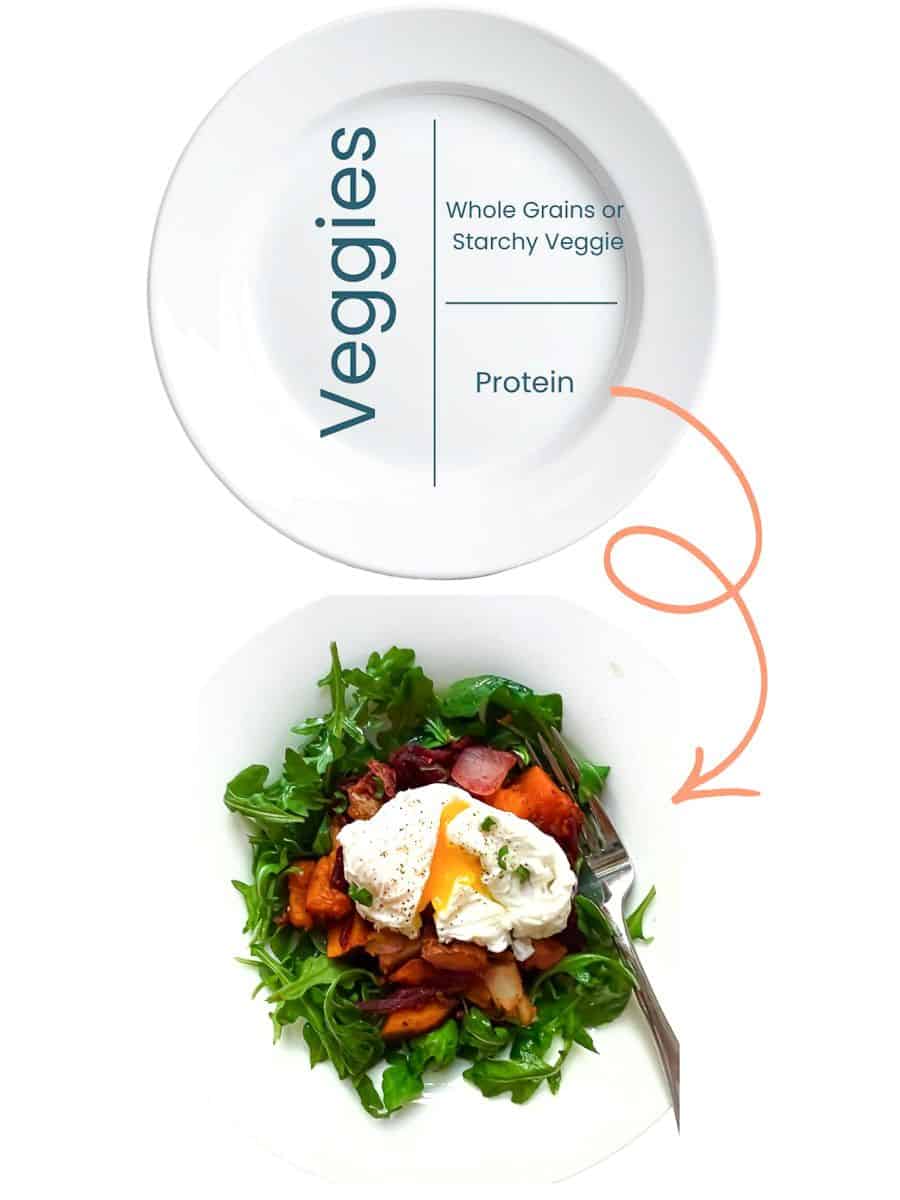
One of the easiest ways to follow the Mediterranean diet is to think about how your plate is built.
- 50% of the plate is vegetables
- 25% is whole grains or starchy vegetables
- 25% protein
- Healthy fats added for flavor
Make your snacks a piece of fruit and you are on your way!
| Mediterranean Diet Plate Categories | Example Foods |
|---|---|
| Vegetables | Greens, broccoli, colorful peppers, carrots |
| Whole grains + Starchy Vegetables | Whole wheat bread, whole wheat pasta, potato or sweet potato with skin |
| Protein | Tofu, beans, legumes, salmon, tuna |
| Healthy Fat | EVOO, avocado, nuts |
Mediterranean Diet Foods to Eat Often
Mediterranean style meals focus on whole, minimally processed foods that provide fiber, healthy fats, and essential nutrients.
Foods commonly eaten in Mediterranean diet meals include:
- Vegetables
- Fruits
- Whole grains
- Beans, lentils, tofu
- Nuts and seeds
- Extra virgin olive oil
- Fatty fish
These foods provide fiber antioxidants healthy fats and nutrients that support long term health.
Mediterranean Diet Foods List + Serving Recommendations
This Mediterranean diet foods list shows the core ingredients that form the foundation of Mediterranean cooking.
If you are just getting started, my Mediterranean Diet Grocery List can help you stock your kitchen with the most important Mediterranean staples.
Keeping these Mediterranean grocery staples in your kitchen makes it easier to prepare healthy meals consistently.
Need a handy grocery list? You can download this list as a printable PDF in my shop.
🥦 Vegetables
Recommended: 3 or more servings per day
Serving size: 1 cup raw or one half cup cooked
Leafy greens such as:
- Spinach
- Kale
- Swiss chard
- Lettuce
Cruciferous vegetables such as:
- Broccoli
- Cauliflower
- Brussels sprouts
- Cabbage
Other vegetables:
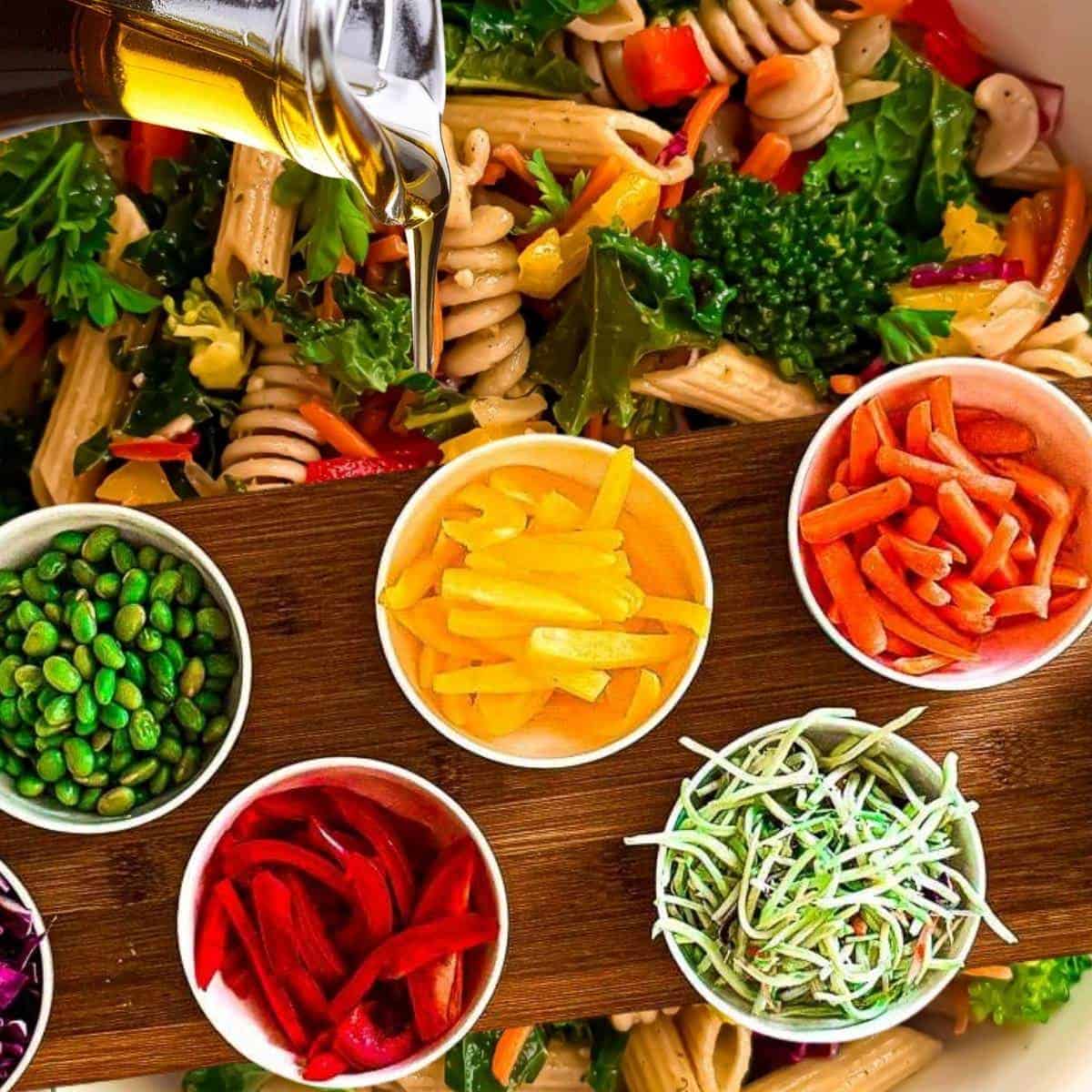
- Peppers
- Carrots
Vegetables provide fiber, antioxidants, and important nutrients that support heart health.
🍎 Fruits
Recommended: 3 servings per day
Serving size: 1 cup
Examples include:
- Blueberries
- Raspberries
- Blackberries
- Cherries
- Oranges
- Apples
- Lemons
- Avocados
- Cantaloupe
Berries and citrus fruits are especially rich in antioxidants.
🌾 Whole Grains and Starchy Vegetables
Recommended: 3-6 servings per day
Serving size: ½ cup cooked or 1 piece of bread
Examples include:
- Whole wheat bread
- Whole wheat pasta
- Quinoa
- Barley
- Oats
- Oat bran
- Brown rice
Starchy vegetables include:
- Potatoes
- Sweet potatoes
- Corn
- Peas
Top Tip
Look for whole wheat flour as the first ingredient when buying breads and pastas. Enriched wheat flour is another term for refined, white flour. This is a food group where reading the package label goes a long way.
🥜 Nuts
Recommended: at least 3 servings per week
Serving size: 1 ounce or ¼ cup nuts or 2 tablespoons nut butter
Examples include:
- Walnuts
- Almonds
- Hazelnuts
- Almond Butter
Nuts provide healthy fats, fiber and plant protein.
🌻 Seeds
Daily serving encouraged
Serving size: 2 tablespoons
Examples include:
- Flaxseeds
- Chia seeds
Seeds are rich in fiber and omega-3 fatty acids.
🫘 Beans and Legumes
Recommended: at least 3 servings per week
Examples include:
- Black beans
- Pinto beans
- Chickpeas
- Lentils
- Kidney beans
- Navy beans
- Edamame (soy beans)
Legumes provide plant based protein and fiber.
🐟 Fatty Fish
Recommended: 2 to 3 servings per week
Serving size: 3 ounces
Examples include:
- Salmon
- Sardines
- Mackerel
- Herring
- Tuna
Fatty fish provide omega-3 fatty acids that support heart and brain health.
🥛Dairy and 🥚Eggs
A daily serving of low fat dairy can be included although less may be better. Cheese is typically limited to three servings per week.
Egg yolks are eaten in moderation while egg whites can be eaten more frequently.
Examples include:
- Skim milk
- Fat free Greek yogurt
- Eggs
- Egg whites
Mediterranean Diet Foods to Limit
I don't know about you, but I like to focus on all the wonderful things the Mediterranean Diet does include. Aside from trans fat, the Mediterranean diet is not quick to eliminate any foods completely. Some foods are just eaten infrequently or minimized.
Foods typically limited include:
- Red meat: Choose lean cuts and eat infrequently.
- Processed foods and packaged snacks: Not all prepared foods are created equal. Read labels to find products with ingredients you use at home. Avoid hydrogenated oils (trans fat).
- Sugary drinks: Opt for water as often as possible.
- Refined grains: This is the term used for white bread, white pasta, and white rice. These products are stripped of fiber and important nutrients.
- Alcohol: Sorry, friends. If you don't drink, don't start. Alcohol should be enjoyed in moderation to protect your health and reduce risk.
Easy Mediterranean Diet Recipes for Beginners
Once your kitchen is stocked with Mediterranean staples, cooking becomes much easier. The list above will help you stock up for my recipes. Here are a few of my favorite recipes when starting the Mediterranean diet.


Mediterranean Diet Breakfast Recipes
Breakfast never tasted so good! You can learn more about if breakfast on the Mediterranean diet and check out all my recipes in my breakfast guide.

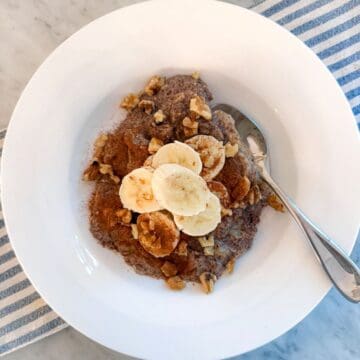
Mediterranean Diet Breakfast Power Bowl
Mediterranean Diet Lunch Recipes
Mediterranean Diet Dinner Recipes

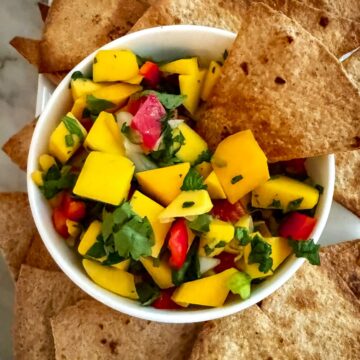
Mediterranean Diet Snacks
Snacks don't have to be complicated. A cup of blueberries with a handful of almonds is perfect when following the Mediterranean Diet. If you're in the mood for something beyond fruit, check these out!


Mediterranean Diet Desserts
Yep, desserts too! Enjoying a couple of homemade treats each week using Mediterranean Diet staples aligns with this pattern of eating. Here are some of my favorites.

Dairy Free Chocolate Chip Cookies

Mediterranean Diet Pumpkin Bars

Sample Mediterranean Day
Breakfast
Mediterranean Diet Power Bowl
Morning Snack
1 cup fresh blueberries
Lunch
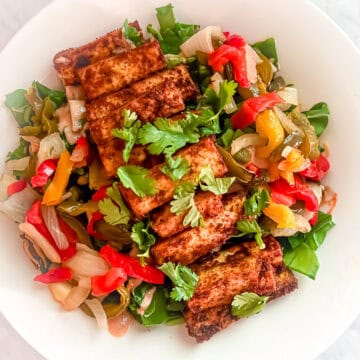
Three Ingredient Vegan Taco + greens dress with Extra virgin olive oil
Afternoon Snack
1 apple sliced with 1 tablespoon almond butter
Dinner
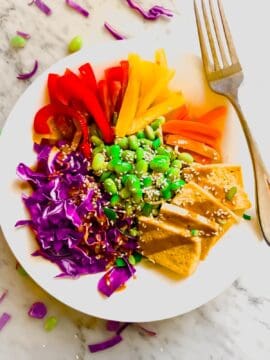
Asian buddha bowl
Beginner Tips for Following the Mediterranean Diet
Focus on whole foods rather than processed foods. For example, choose apples rather than applesauce or apple juice. When purchasing prepackaged food check the ingredients. Are they ingredients you have in your kitchen or ingredients you would find in a lab?
Cook more meals at home. Don't get me wrong, I love to eat out. But now I am more mindful of it. My budget and my health thank me for that! We still eat out, but I am more mindful of preparing lunches I look forward to and keeping easy, Mediterranean Diet friendly, weeknight dinners on hand to stay on track.
Eat vegetables often. The Mediterranean Diet has a definite plant slant. Figure out what veggies you love and incorporate them as often as you can.
Keep the key elements of Mediterranean eating front of mind:
- Vegetables in most meals
- Healthy fats from Extra virgin olive oil and nuts
- Whole grains for fiber and energy
- Protein from plant sources and fatty fish.
FAQ
The Mediterranean diet is built on a foundation of whole, minimally processed foods. These include vegetables, fruits, whole grains, beans, lentils, tofu, nuts and seeds, extra virgin olive oil, and fatty fish.
Meals typically focus on plant foods and healthy fats, with fish and legumes as the primary protein sources. Red meat and processed foods are eaten less frequently.
No! The Mediterranean diet includes carbohydrates and does not eliminate carbs.
In fact, this way of eating typically includes 3-6 servings of whole grains and starchy vegetables each day. The key difference is that the Mediterranean diet focuses on high-quality carbohydrates such as whole grains, beans, lentils, and vegetables rather than refined flours and added sugars.
One of the reasons the Mediterranean diet is so sustainable is that it doesn't require strict deprivation.
Whether your favorite food is pizza, steak, grilled cheese, or ice cream, there is room for occasional treats within the Mediterranean pattern of eating. The goal is to focus on Mediterranean foods most of the time, not to eliminate foods you enjoy.
Unless your doctor advises otherwise, following Mediterranean eating habits about 90% of the time while enjoying occasional treats is a realistic and healthy balance.